

March 2026
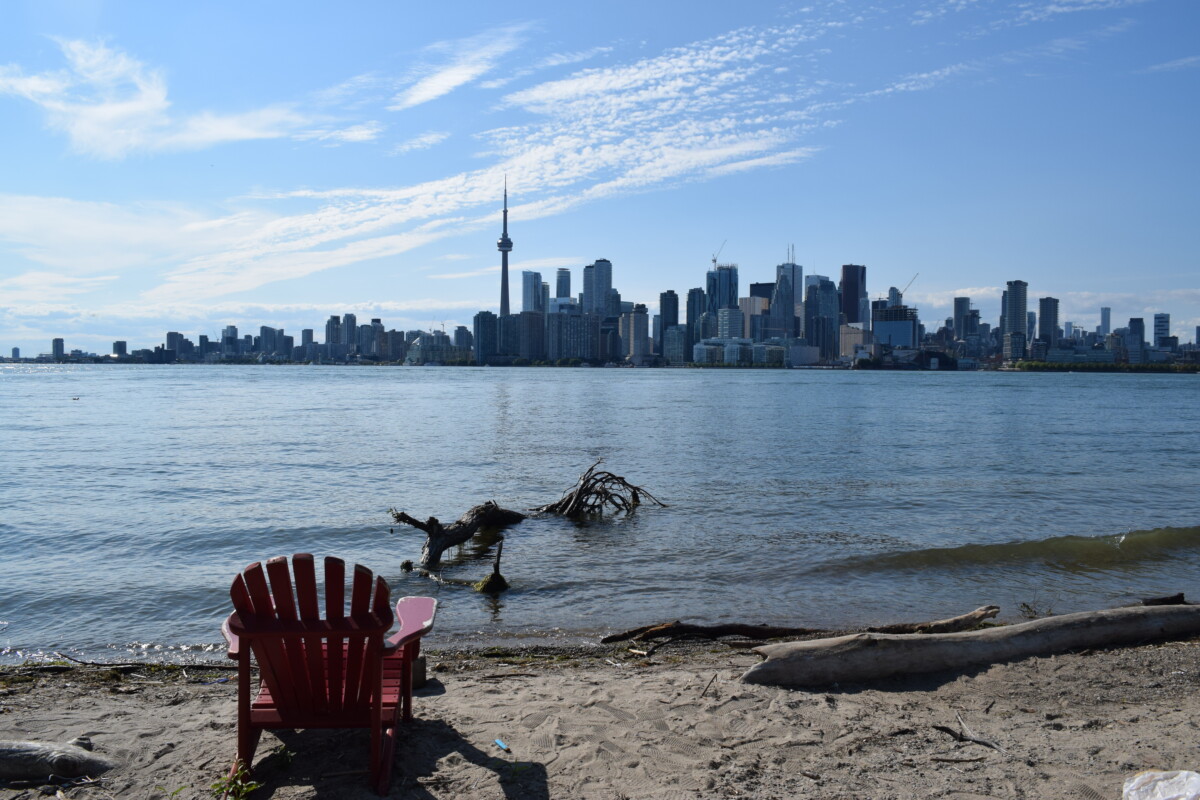
The Toronto Islands are only around a mile off shore from Toronto’s waterfront, but once there, it can seem like a whole world away from the bustle of Canada’s largest city. The Toronto Islands are a chain of 15 small islands in Lake Ontario, providing a sheltered harbour for the city.
Originally a series of sand-bars formed by the deposition of sand pushed along the Toronto shoreline from the Scarborough Bluffs, the peninsula was cut off from the mainland to the east by a violent storm that cut a 500-foot wide channel on 13 April 1858. This was the second time a storm had cut off the peninsula in 6 years, but unlike the previous time, no attempt was made to re-connect the peninsula.
Starting in 1862, before Canada was even a country, the first year-round inhabitants began settling at Gibraltar Point, beginning with Hanlon family. Five-years later, the City of Toronto bought the Islands from the federal government, divided the land into lots and opened the island to seasonal cottages, outdoor amusement areas and summer resort hotels.
In 1878, John Hanlan built a hotel at the north-west tip of the island in 1878, which soon afterwards became known as Hanlan’s Point. This was followed by Hanlon’s Point Amusement Park, which operated from the 1880s until 1937, and Hanlan’s Point Stadium, a baseball stadium for the minor league Toronto Maple Leafs baseball club, which operated from 1897 until 1937, when both were demolished to make way for the Toronto Island Airport, now known as Billy Bishop City Centre Airport.
John’s son, Edward “Ned” Hanlon would later go on to become an internationally recognized competitive rower.
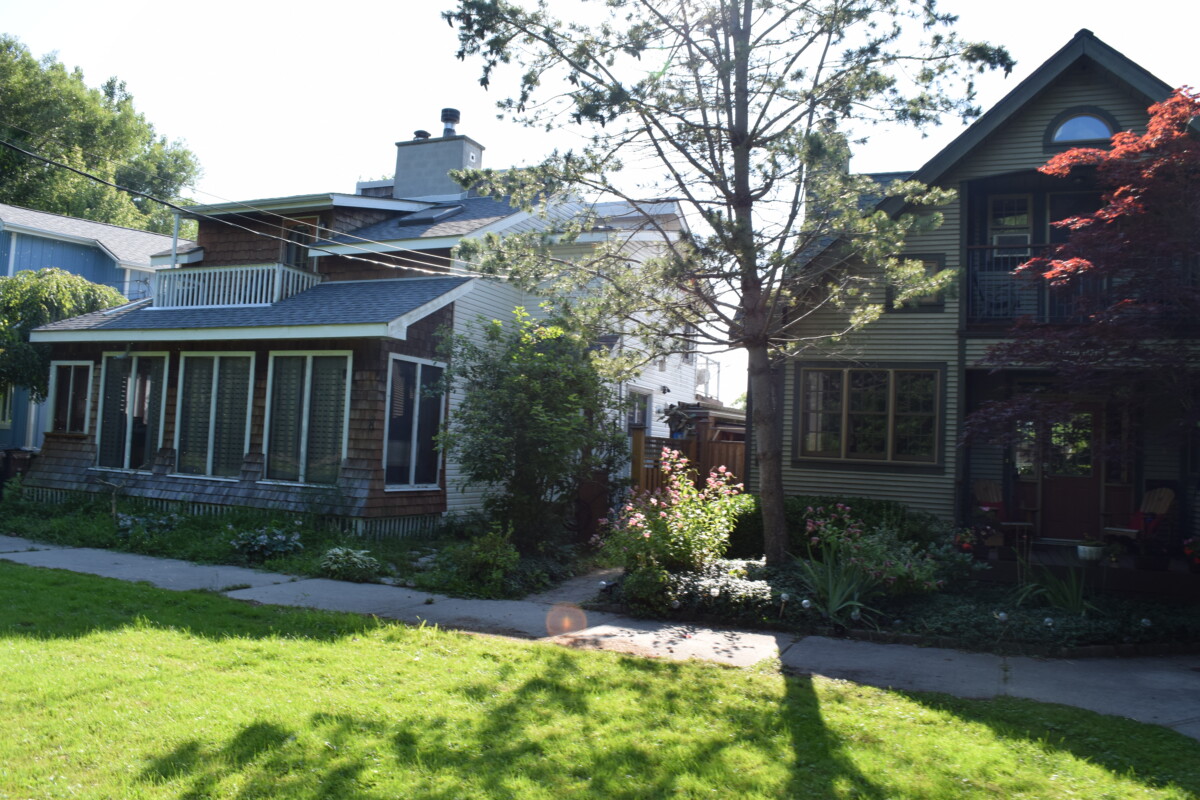
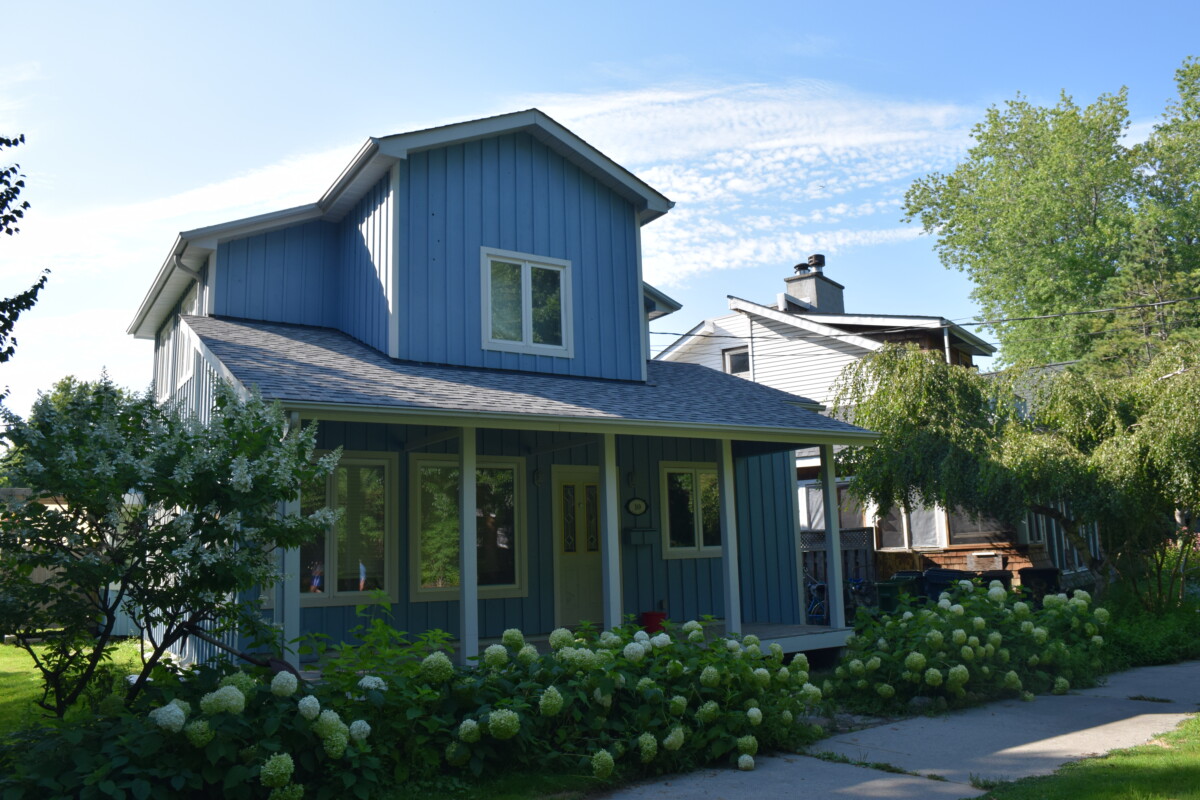
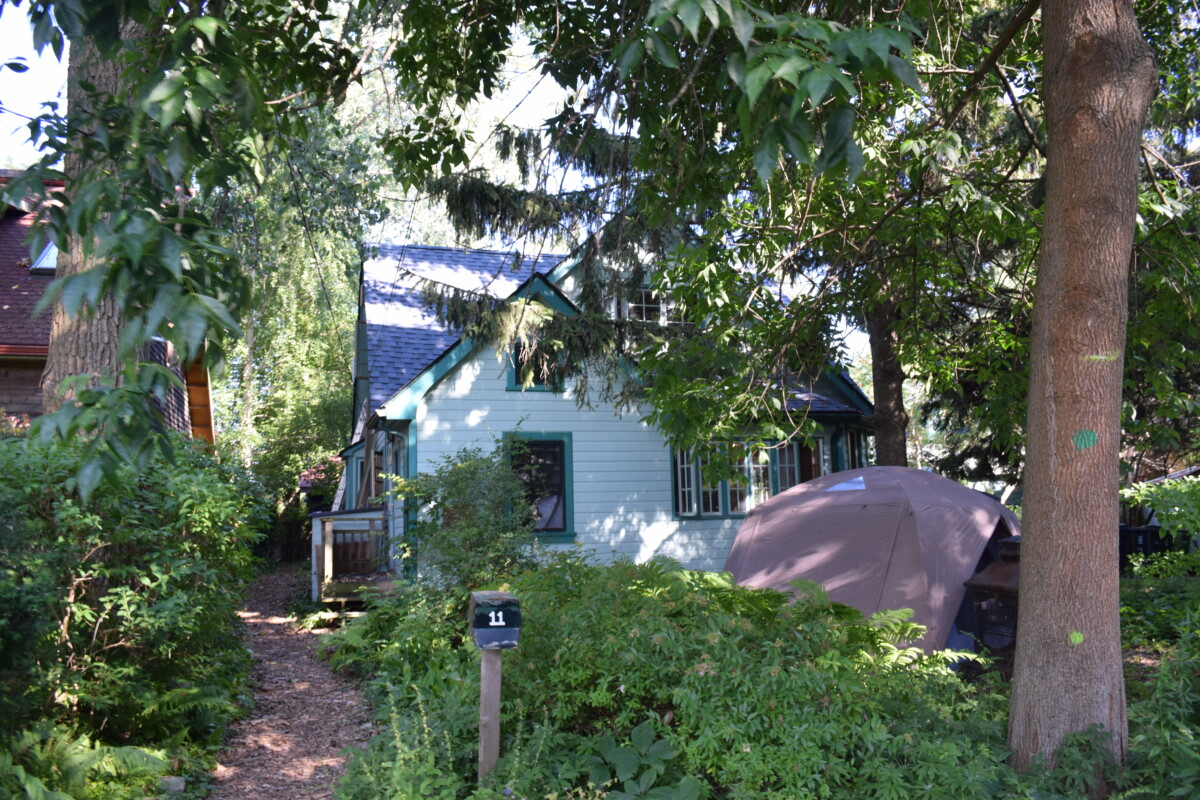
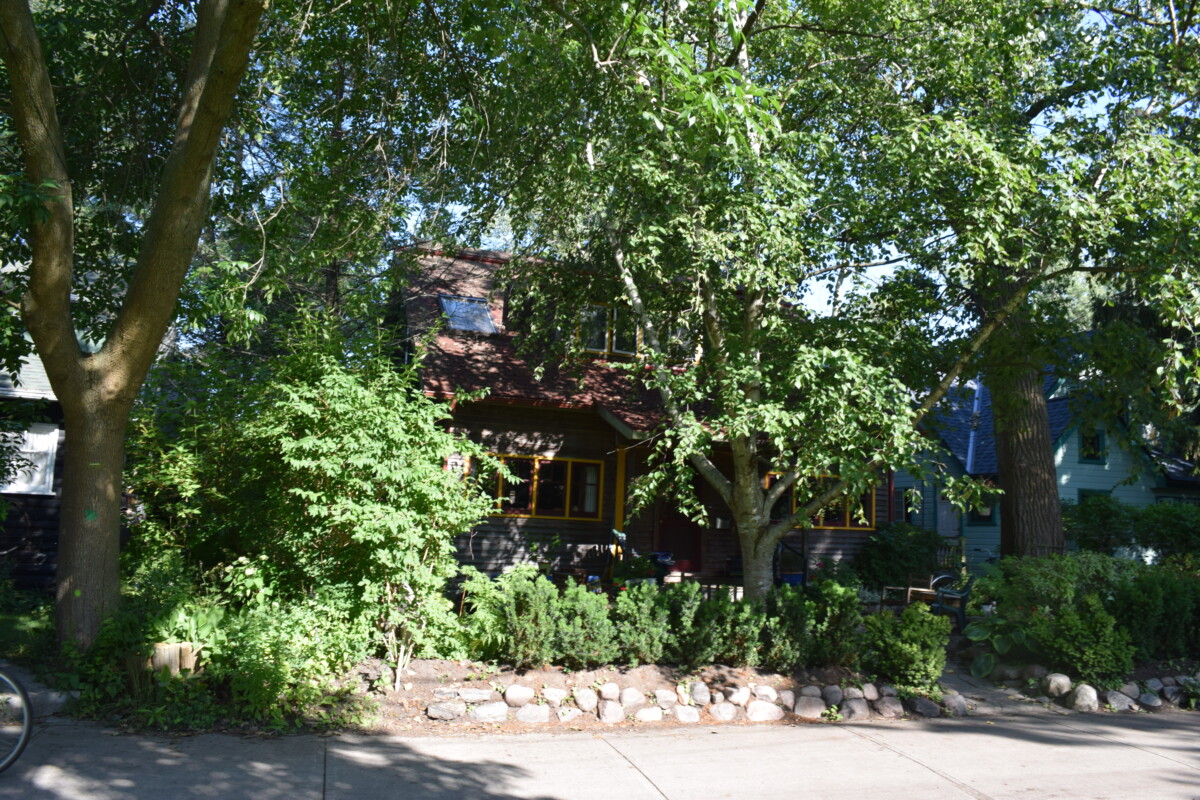
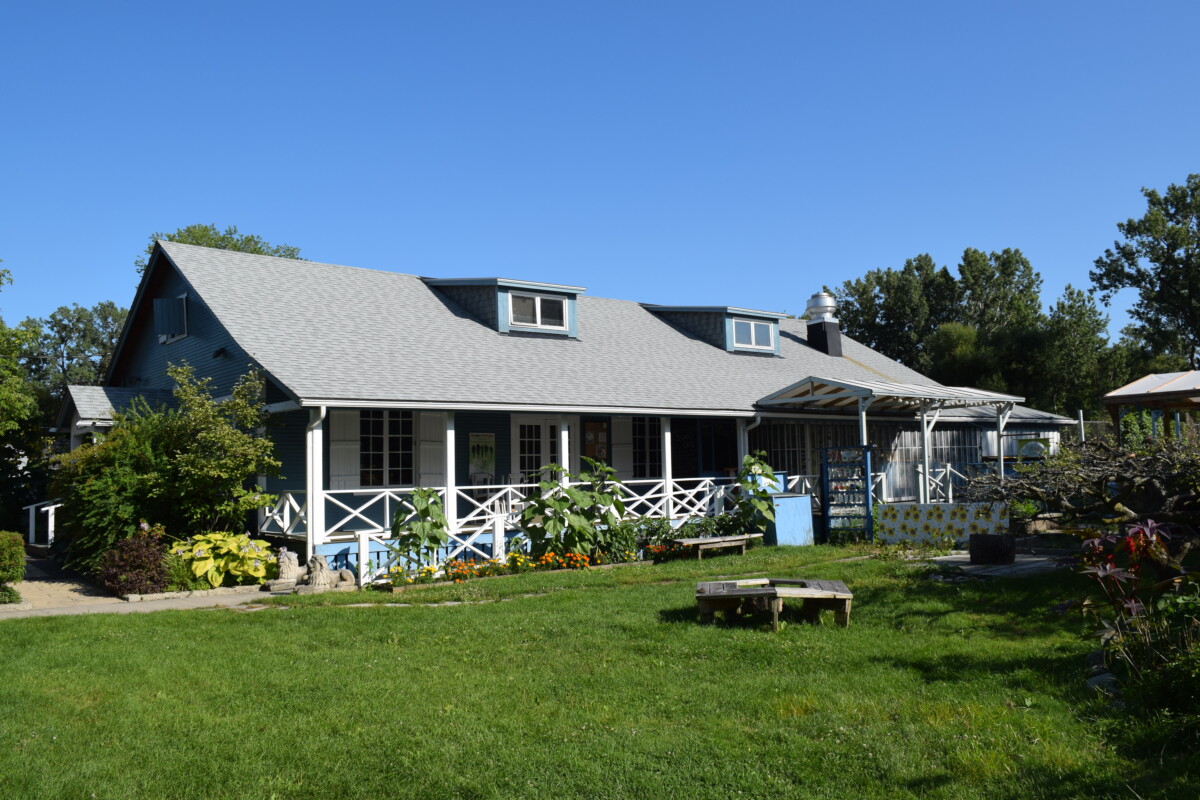
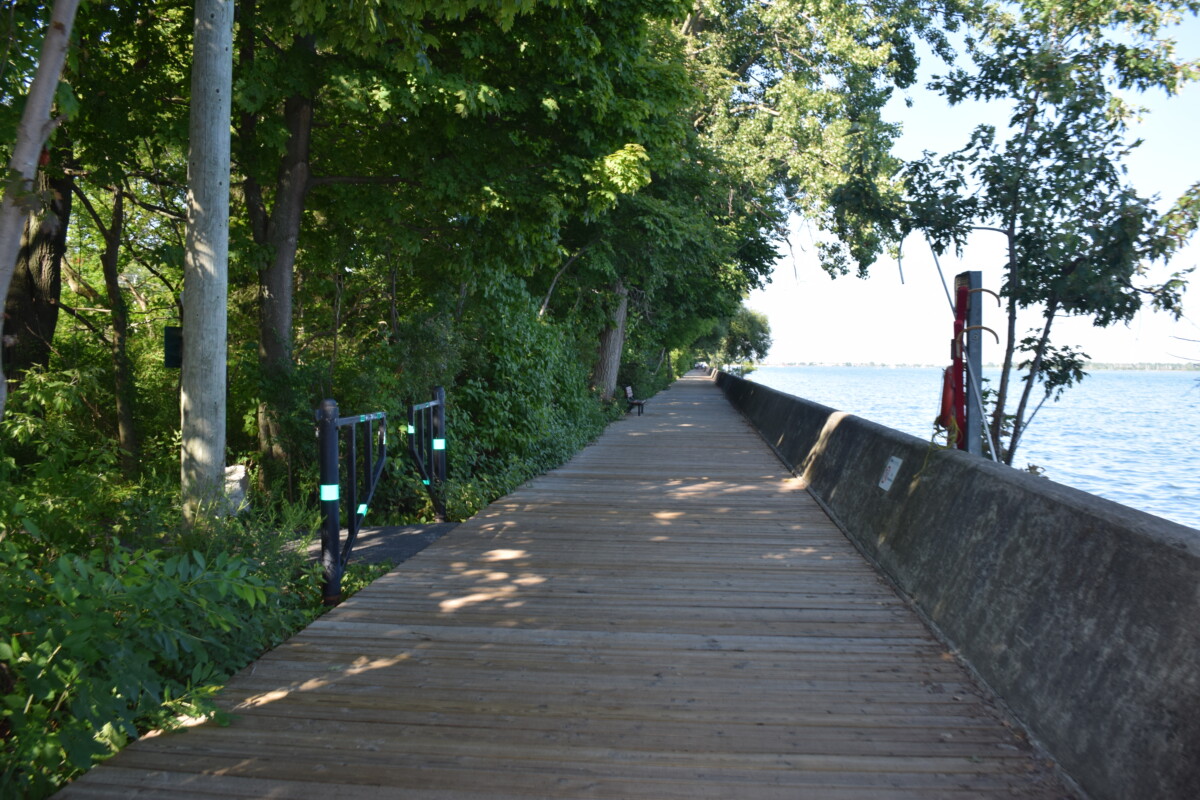
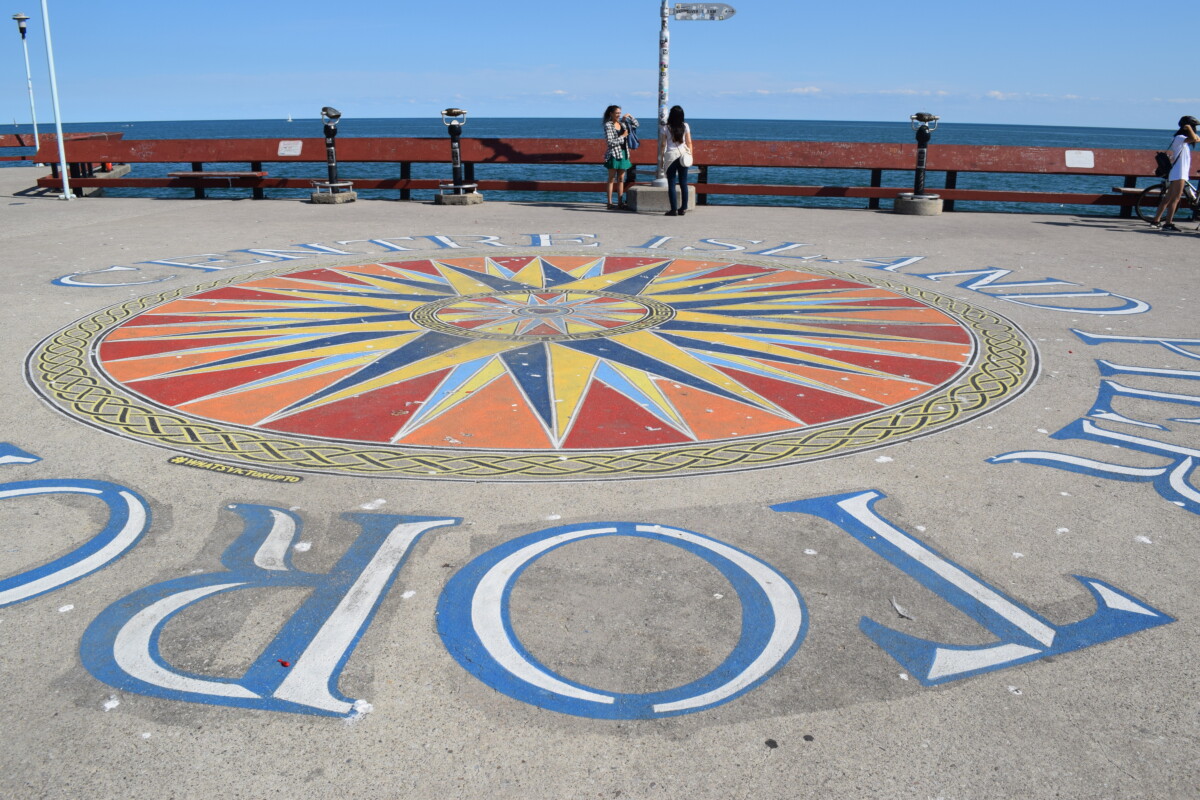
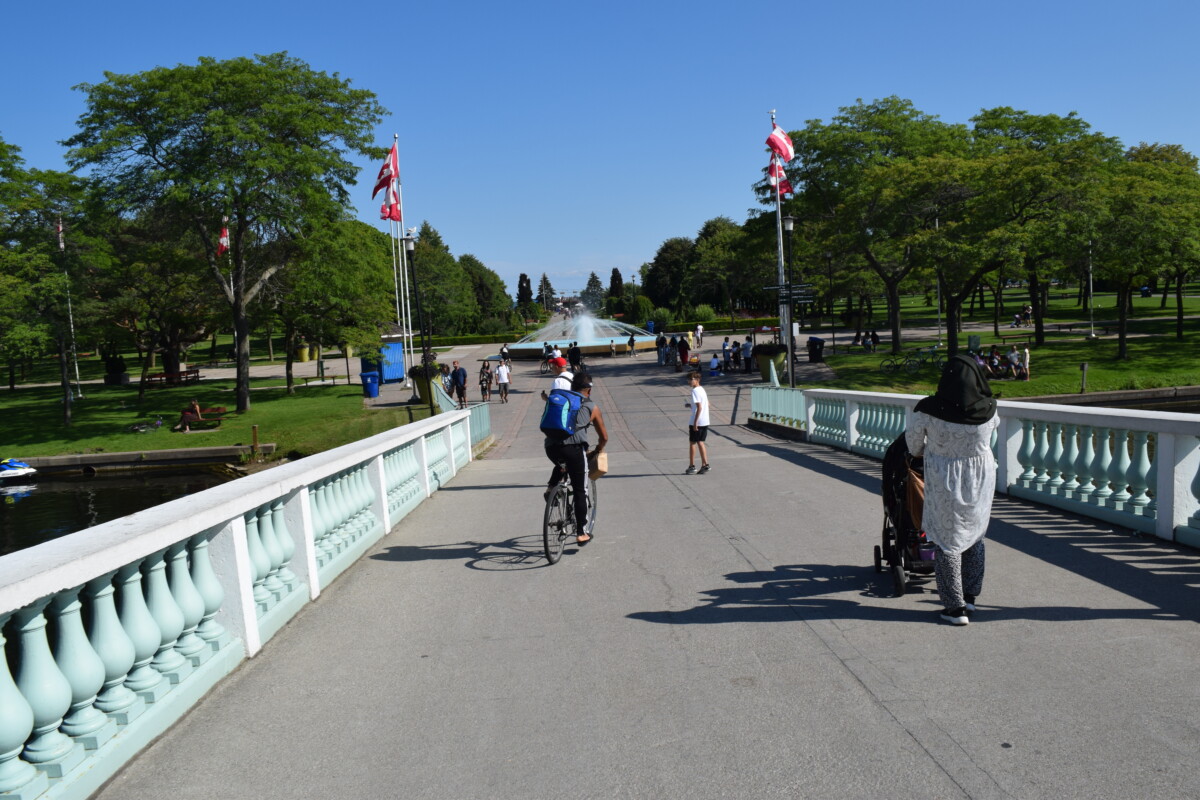
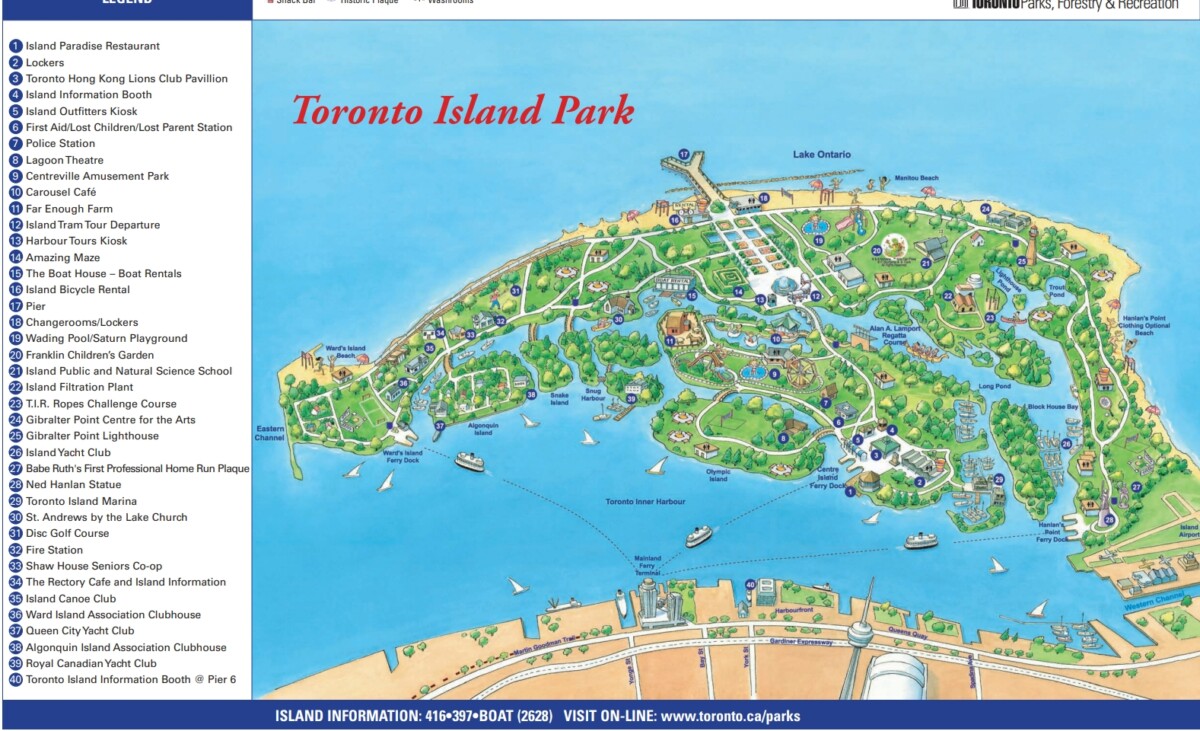
Today, Toronto Island is a much-loved recreational, sporting, dining and entertainment. The island hosts several swimming beaches, including a clothing-optional beach, several private yacht clubs, restaurants, a public marina, Centreville Amusement Park and a year-round residential community, which along with the rest of the island, is the largest car-free urban community in North America. The only vehicles allowed on the island are city service vehicles, including a fully-equipped fire hall.
Access to the island is by public ferries operating year-round from Jack Layton Ferry Terminal and privately operated water taxis operating from May to September. A pedestrian tunnel connects the mainland to the Island Airport, but it doesn’t provide access to the rest of the island.
Centreville Amusement Park


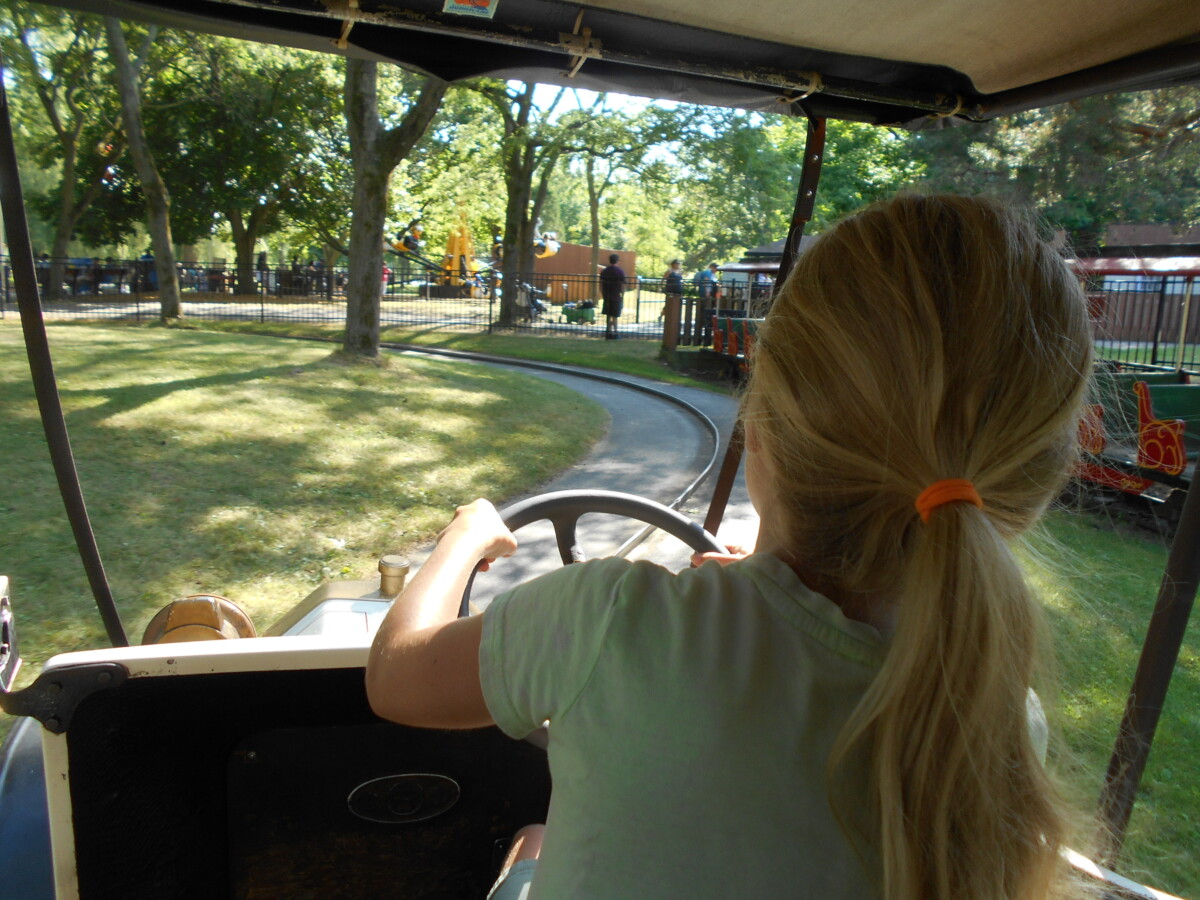
The Centreville Amusement Park opened in 1967, as a part of a plan by the City of Toronto to transform the Toronto Islands to recreational usage from exclusively a residential cottage enclave.
Owned and operated by Beasley Amusements, it replaced Sunnyside Amusement Park, formerly located on Toronto’s waterfront at the foot of Roncesvalles Avenue, which closed in 1955 to accommodate construction of the Gardiner Expressway.
With a 1900s-style turn-of-the-century theme, Centreville features over 30 rides and attractions, including a log flume ride, a miniature roller-coaster, a miniature railway, bumper boats, swan ride, a sky ride, a Scrambler and an antique Ferris wheel, designed to look like a windmill, that was acquired from Crystal Beach Park in Fort Erie, after its closure in 1989.
One of the jewels of Centreville is a historic hand carved wooden 1907 carousel, made by the G.A. Dentzel Steam & Horsepower Company, formerly of Germantown, Pennsylvania, a company that ceased operations in 1928. It’s one of only 30 left today and the only one of its kind in Canada.
Acquired in 1964 from Bushkill Park in Easton, Pennsylvania, it features 52 hand carved animals include cats, an ostrich, pigs, a lion and rabbits, unlike most that feature horses, 36 of which move up and down on brass poles, and two ornate bench seats. The music comes from an automated Wurlitzer organ.
Centreville almost lost the carousel in 2017. Beasley Amusements, facing huge financial losses due to flooding from high water levels in Lake Ontario from that summer that forced the closure of the island to visitors, began negotiations to sell the carousel to the City of Carmel. Ultimately, the deal fell-through and it appears Beasley will not be selling it after-all.
Next to the rides is Far Enough Farm, featuring features an assortment of farm animals, including rabbits, goats, pigs, chickens, cows, ponies, emus and peafowl, many of which roamed freely and will likely amuse children.
There is no general admission fee to enter Centreville Amusement Park and Far Enough Farm, but visitors must purchase a ticket for the island ferry and individual ride tickets, if they wish to go on any of the rides.




Sources: Toronto Islands – Wikipedia, Centreville Amusement Park – Wikipedia, Hanlan’s Point Amusement Park – Wikipedia.

