

March 2026
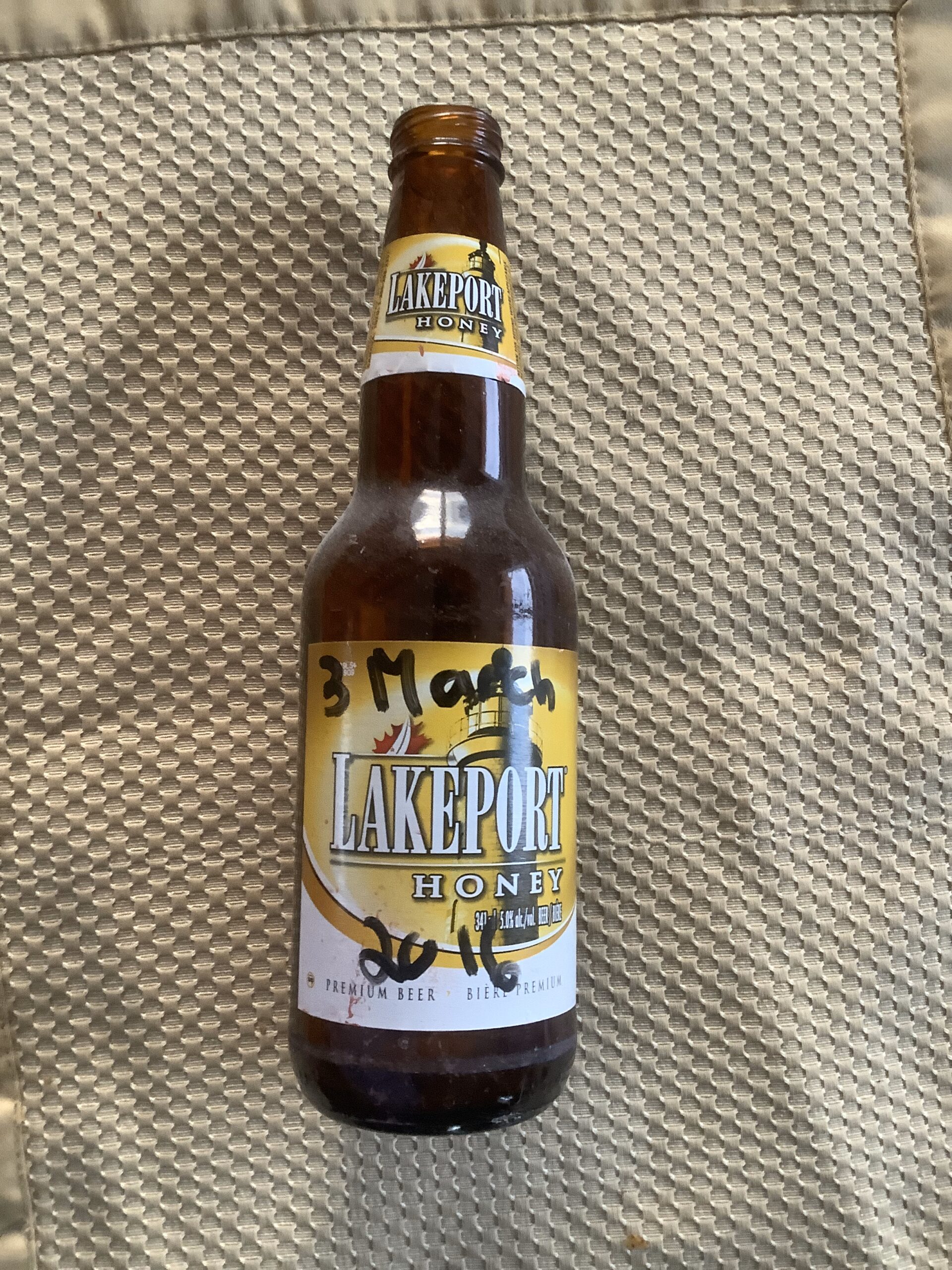
On 4 March 2026, I reached a significant milestone in my life: 10 years of sobriety.
It’s also been 10 years and one month since I came off the road as a patrol constable so I could get the help I needed to get and stay sober. I would never return to active duty and retired a year and two months later. More correctly, I was forced out by an unsympathetic police administration and police association, both of whom made it perfectly clear that if I didn’t leave, my life would get even more difficult, which is quite ironic. It was the abusive and poisonous work environment I suffered through, led by my Chief and association president, that drove me to become a functioning alcoholic in the first place.
Do I still sound bitter about the way I was treated by those who were supposed to be watching my back, as I would watch their backs? I was a good cop and before I was beaten-down emotionally, I consistently had a high record for Provincial Offence and Municipal By-Law enforcement. I made my fair share of arrests and actively engaged in proactive policing and security duties. As secondary duties, I was a breath technician (impaired testing), scenes of crime officer (photographs and fingerprints at crime scenes and vehicle collisions) and property officer. I was good at all of them. After being beaten-down, I did just enough to stay out of trouble, which can be very counter-productive.
I “sucked it up” for as long as I could, fought for as long as I could, but eventually I reached a point where I couldn’t fight anymore. Even the most powerful muscle car won’t go anywhere if the gas tank is empty. Instead of receiving support and compassion, all I received was a promise that things would get worse if I didn’t pack it in; that the bullying and toxic work environment that led to my PTSD and alcoholism would continue. Even my police association did very little to support and help me, so yes, I am bitter and I have a right to be bitter.
There were signs that something was wrong with me, but if anyone noticed them, they either misinterpreted them or ignored them. One of the most disheartening things in those final days was being dispatched early in the morning, near the end of my shift, to a home in one of the townships we policed, to deal with a male in mental distress. After finally convincing this male to go with the attending medics to the hospital, where he could get help, he took off running down the snowy concession road. I caught up to him half a mile down the road and was finally able to apprehend this male, taking two punches to the face in the process. (Oh, you’re not getting away from me that easily!) I was there to help him that day. No one was there for me when I needed help.
One of the reasons why I wasn’t open with my supervisors that I was drinking every day, before work, after work, and sometimes at work, was that I would end up charged, rather than getting help. This is a thorny and complex problem, with legalities and policies that are also at play.
One big problem with combating alcohol (and drug abuse) in policing is the culture of “suck it up”. This is something that is common in male-dominated, militaristic professions and an attitude that has been a part of male culture for centuries. If something is bothering you, you are told to “suck it up” and get on with it. If you express that something is troubling you or, even worse, ask for help, you are thought of as “weak”. You’re passed over for promotions and job assignments because people believe that you just can’t “hack it”.
To all the Police Chiefs out there who proudly proclaim their support for PTSD Awareness Day: Stop throwing away good officers just because they get sick. Do something to show you actually care about the welfare of your officers, instead of just paying lip-service. Be aware that most officers will be reluctant to admit they have a problem, often until it’s too late. While good order and discipline must be maintained, and problem officers may have to be dealt with through punitive measures, up to and including Police Services Act charges, stop using them as your first course of action.
However, some supervisors/command officers go out of their way to target certain officers to set an example, creating discipline problems that didn’t exist before, frequently abusing their authority in the process.
To Police Services Board members: You need to better monitor the command officers heading up your services. If you don’t already, demand to see monthly reports for all formal and informal disciplinary matters. If a particular officer’s name keeps coming up month after month, ask your command officers why this is happening and what is being done about them. Sometimes, the supervisors/command officers are the ones who are actually the problem.
Some supervisors/command officers think the only way to gauge a subordinate officer’s performance is through the number of arrests made and Provincial Offences tickets handed out. Some of those same supervisors/command officers think the only way to show how well they do their own job, is to show how many reprimands and Police Service Act charges they hand out to subordinates.


